Memories That Become Mine
The long-term project by Monika Pascoe Mikyšková is built upon a classic paradox: it reflects on memory as something deeply personal, yet never entirely private. Memory emerges and takes shape through relationships between people, generations, places, and materials. It is lived; it is transformed through experience and passed on. It is carried not only by moments shared together, but also by gestures and involuntary responses that remain beyond our full control. In this way, memory is recorded, classified, and institutionalised; it is experienced—and it becomes a lived trauma.
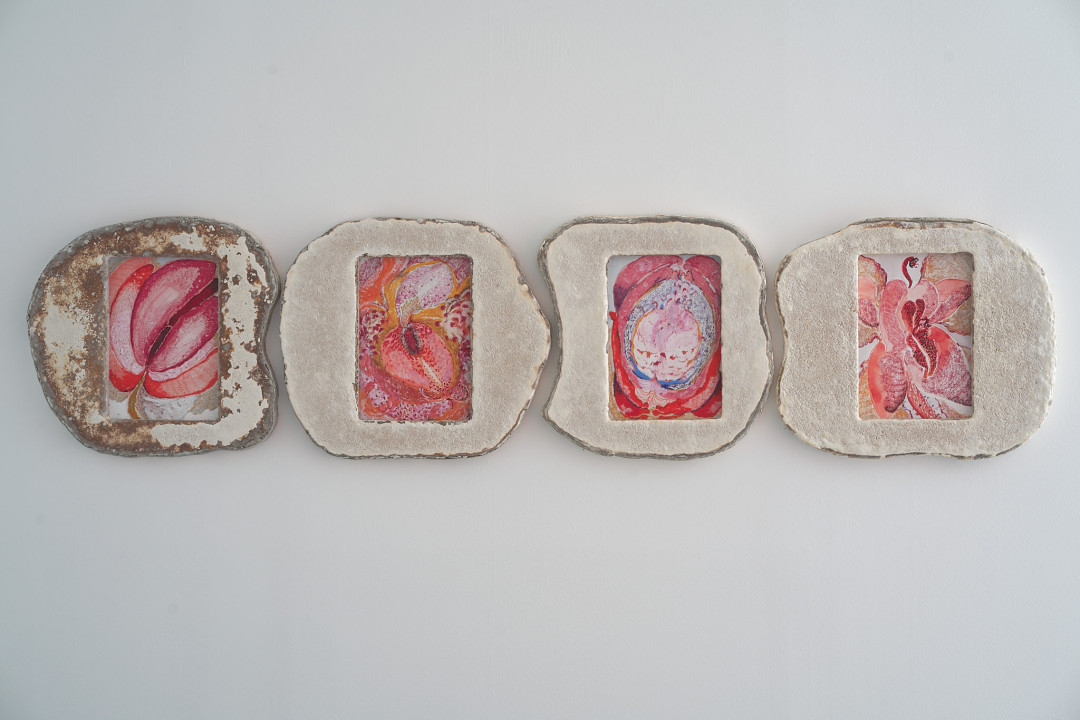
A childhood memory: a hot summer, a landscape flooded with golden light, the flowers of plants glowing in the same warm tones as a child gathers them in a meadow with her grandmother. The flower of consolation, St John’s wort, distinctive not only for its blossoms, is transformed in another memory into a red infusion with a sweet taste. It is gathered, dried, and drunk, once again acquiring its magical significance—it becomes the “blood of Saint John” that was hung above household altars in honour of benevolent spirits (from which its Latin name, Hypericum perforatum, ultimately derives).
In a sensitive exploration of her own memory, its reach, transformations, and fractures, Pascoe Mikyšková turns towards those closest to her: her grandparents, their children, her parents, and siblings. She traces the movement and flow of memory—from intimate recollection to its sharing—while also returning to what disappears from official narratives but continues to exist through small rituals and repeated practices. Why, after all, was it necessary to gather the flowers of consolation?
The central theme of this generously offered intimate story is the tension between personal narrative and memory as something collectively shaped and transformed. Memory is carried by the second or third generation—by those who have no direct experience of what happened, yet recognise its echoes not only in their dreams, but also in gestures and patterns of family communication. Sudden emotional reactions, tendencies towards melancholy, fears—all of these have their origins somewhere.
While any articulated and institutionalised form of memory strives for the stability, clarity, and continuity of “grand histories,” personal memory remains, by its very nature, fragmentary, fluid, and often ambiguous. Pascoe Mikyšková reveals that it is precisely within this contradiction that a distinctive and productive space emerges: the small histories of everyday life, family relationships, and embodied experiences are not merely additions to official history, but rather one of its foundations.
As always when dealing with the human world, fiction plays an important role here. It is fictional structures that allow individual memory not to become merely a document, but to remain open to interpretation and transformation. They allow what a grandmother experienced and had to endure to be unconsciously inherited by a young girl—or consciously reflected upon by an adult woman. Fiction creates a space in which personal narratives can touch collective experience without being completely absorbed by a single historical interpretation. It offers the possibility of (self-)acceptance, understanding, and reconciliation.
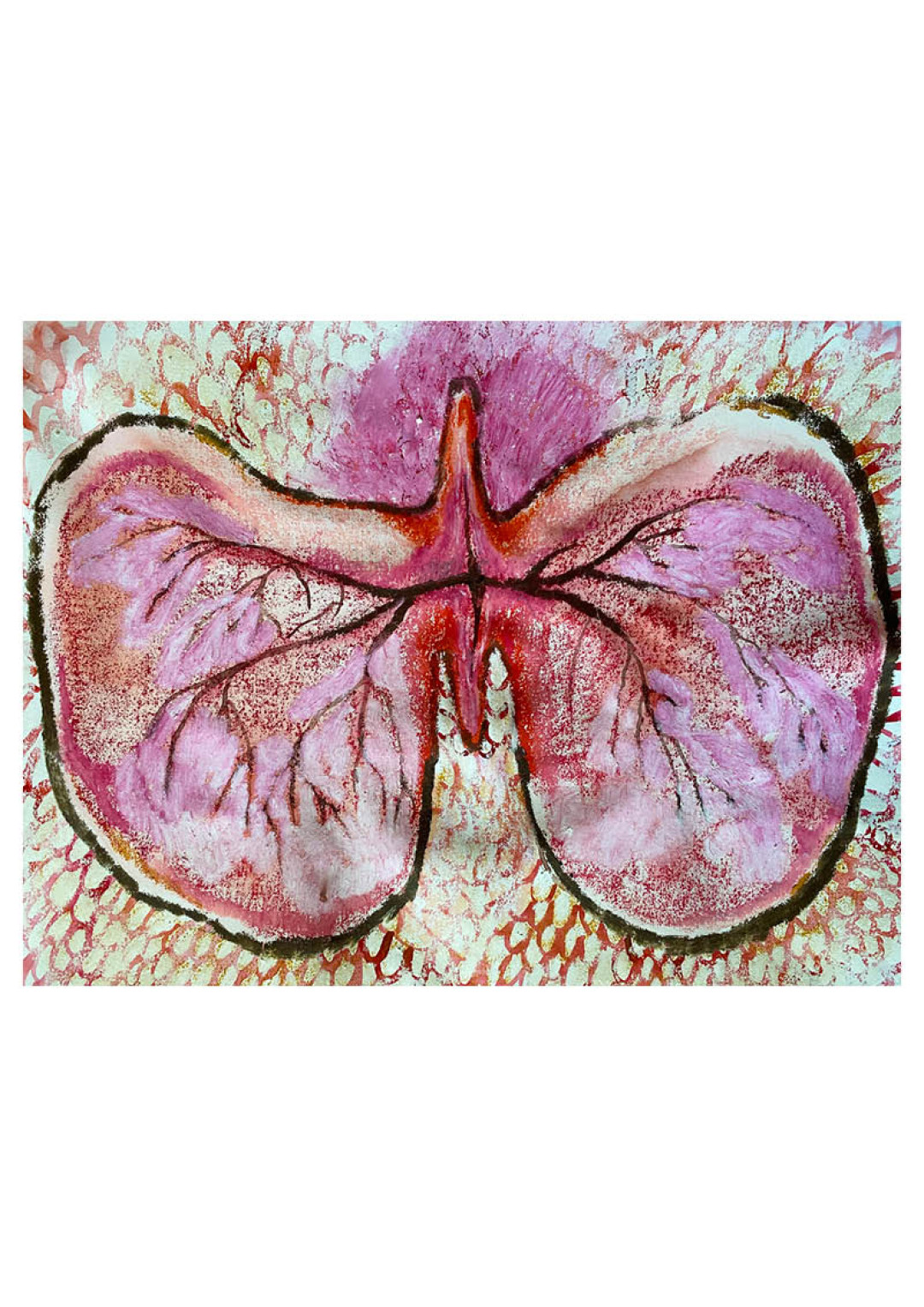
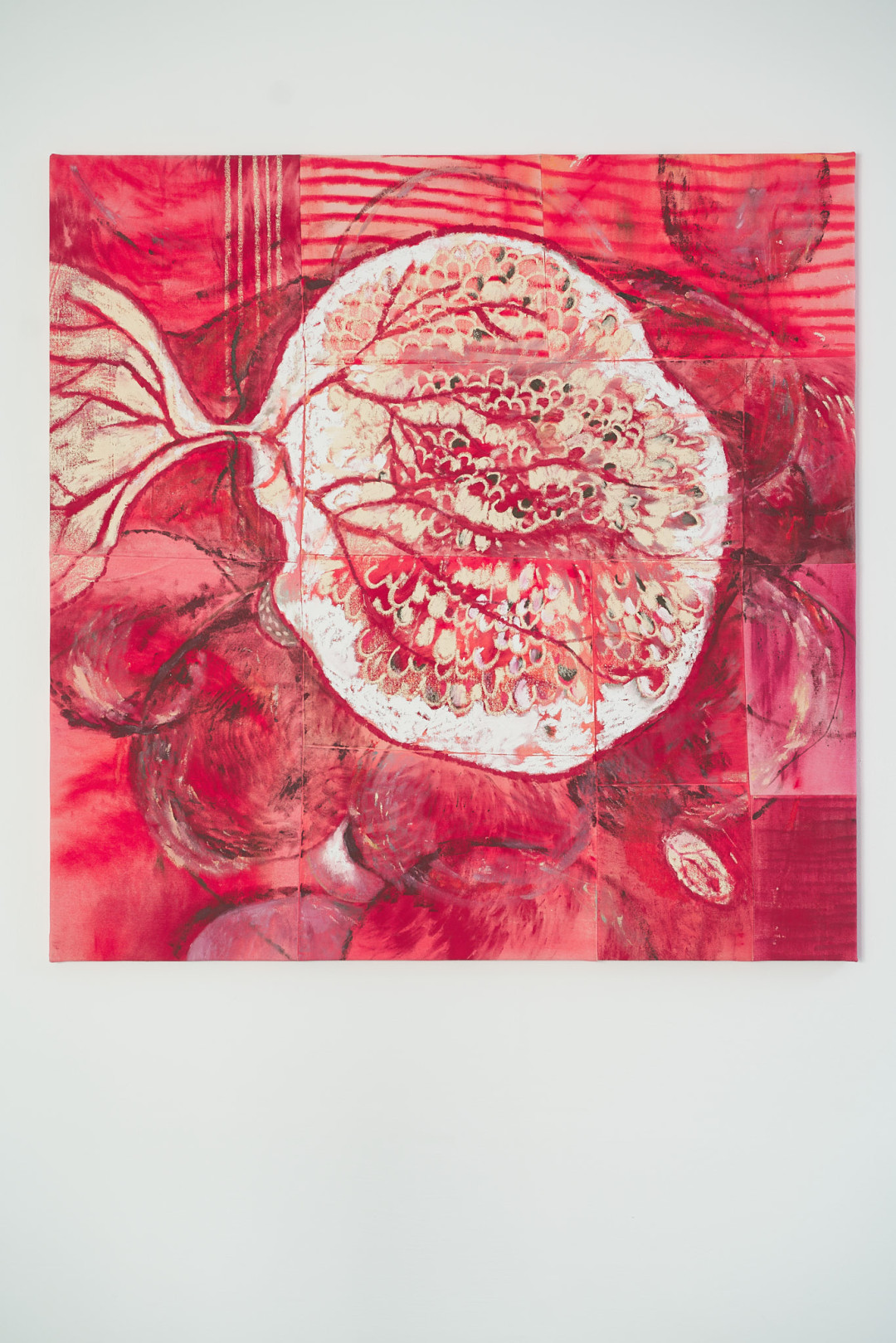
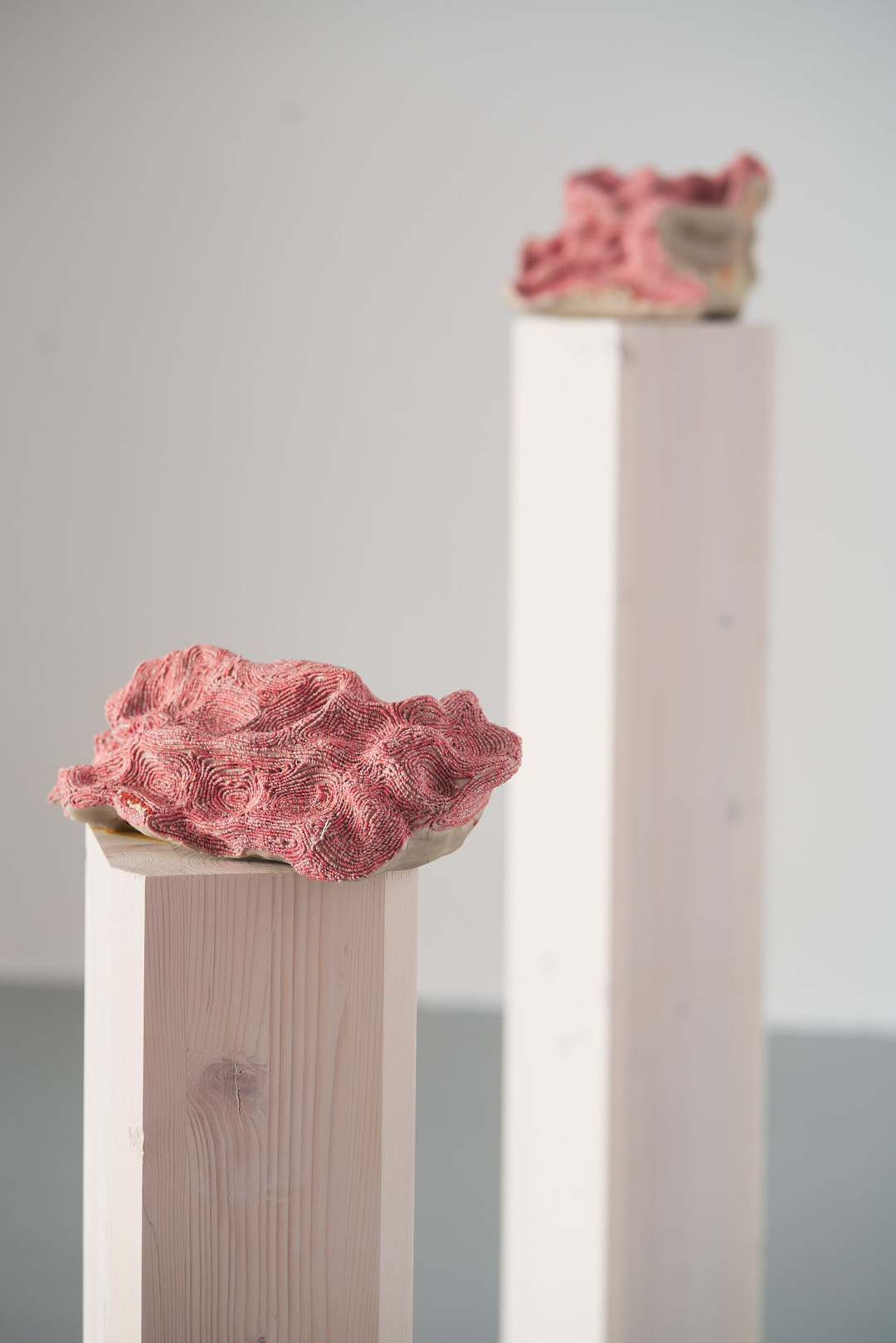
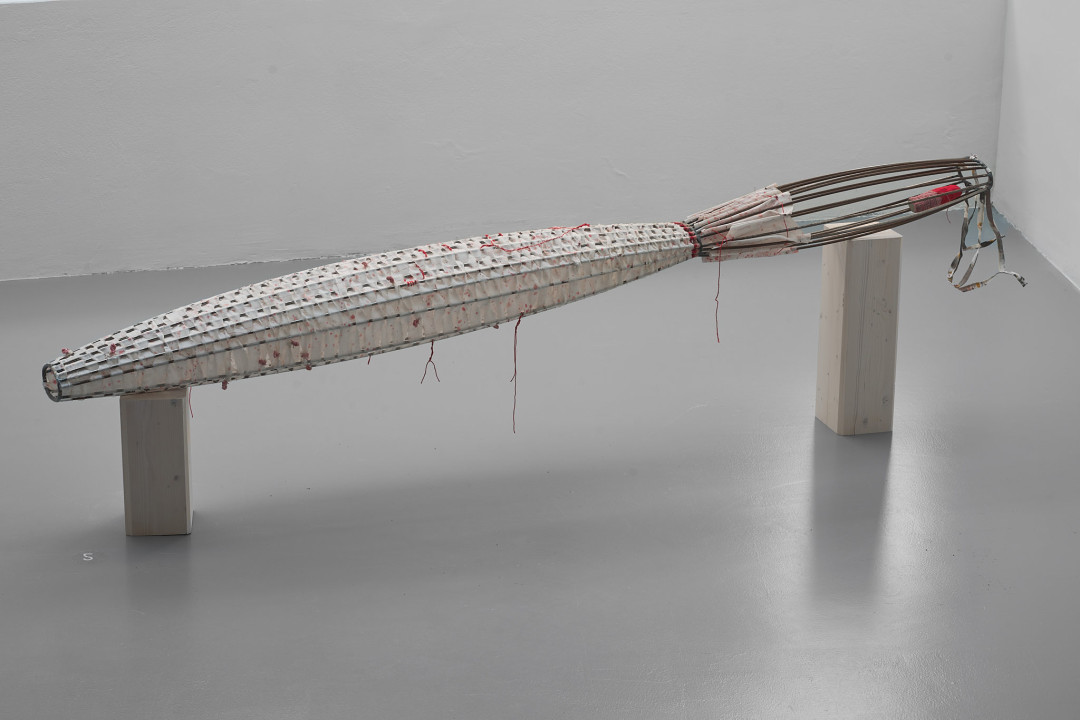
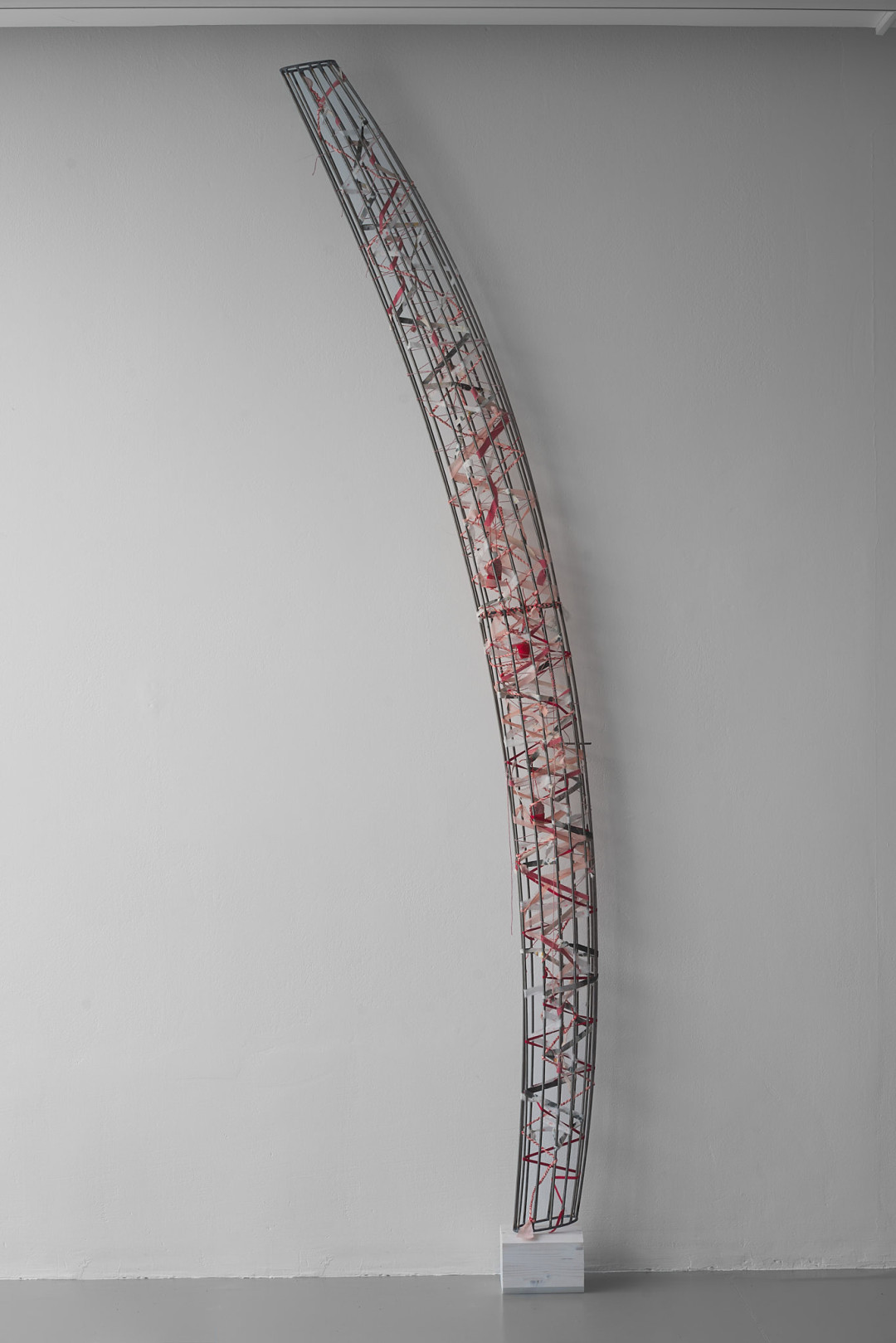
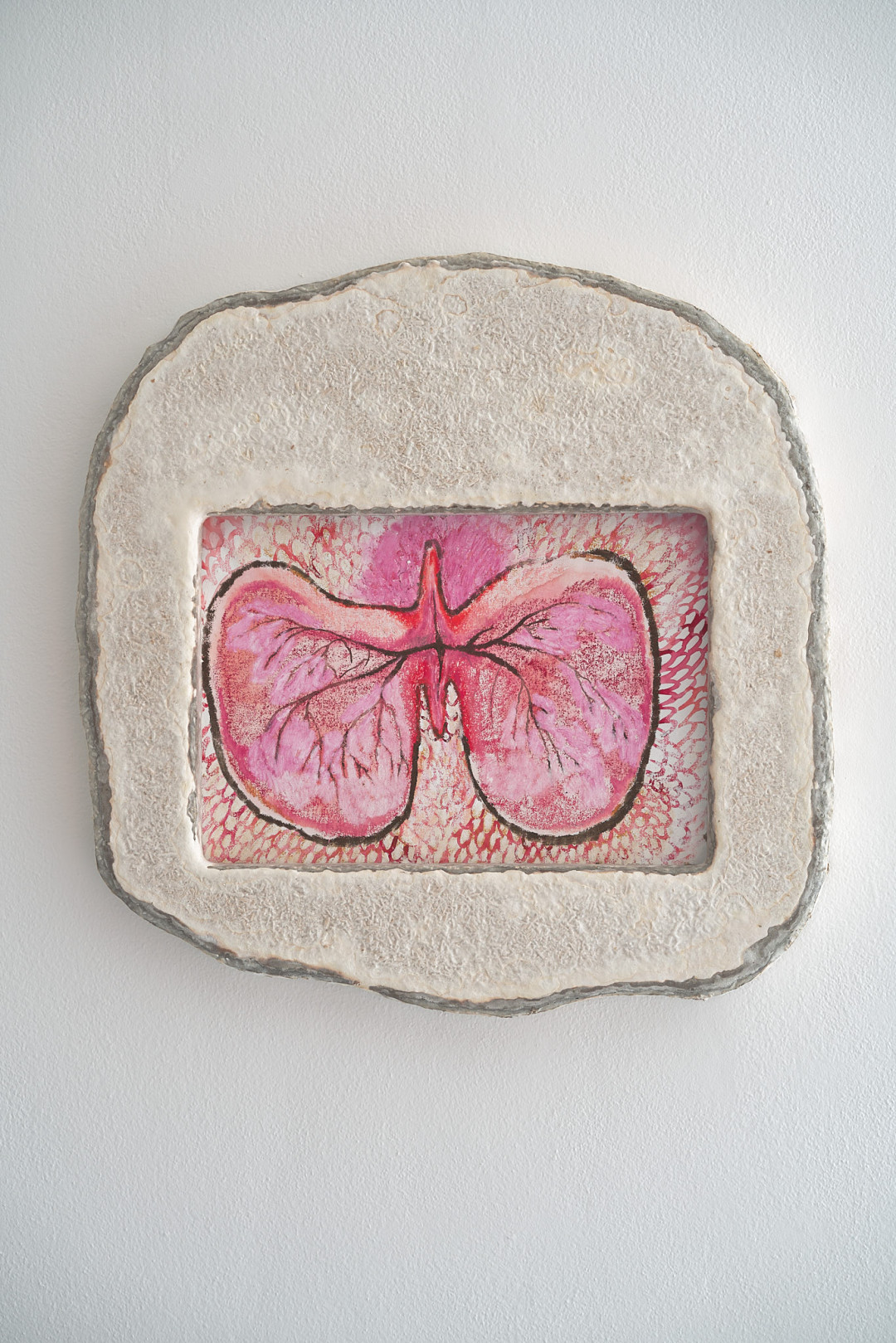
No narrative, no fiction, and certainly no trauma can exist without material substance. Just as Pascoe Mikyšková previously explored the memory of the plant world and the traumas of ecosystems, she now draws upon the botanical richness of her native landscape—the original land to which she belongs—and connects it to the human world. She does not understand memory as something abstract, symbolic, or subconscious, but as something embodied. She identifies it in actions that are repeated—and which, through their repetition, require material form. They require things that can be touched, squeezed, smelled, broken, and poured over with hot water.
And it is here that Pascoe Mikyšková places her strongest proposition on the table: she engages with magic, not as a less rational form of belief, but as a specific—primary—model of relational thinking. She understands it as evidence that memory is transmitted through touch, repetition, and presence rather than through records or descriptions. And that understanding itself is passed on in this way as well—within families, within the intimacy of relationships with those closest to us—the most essential relationship of all.
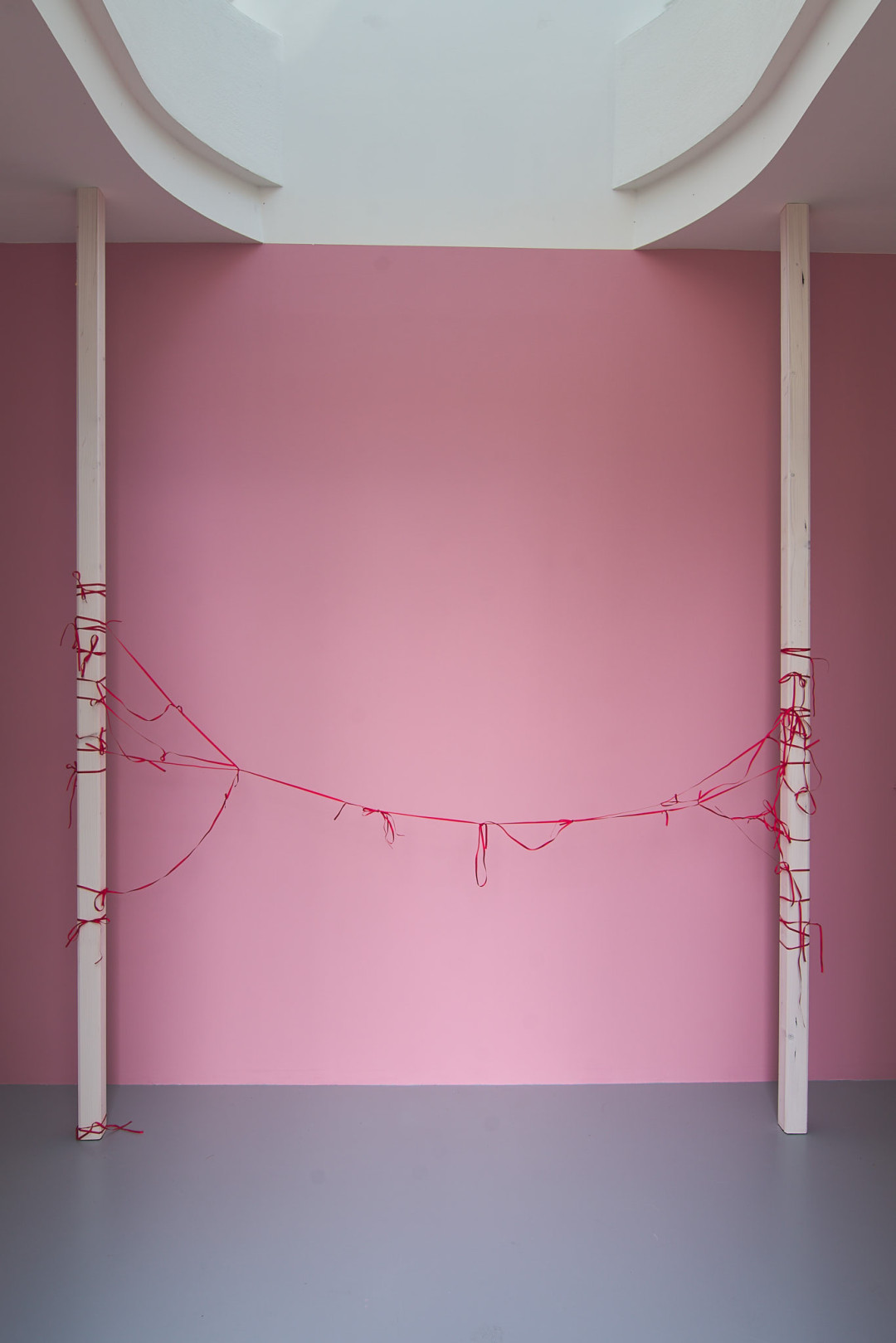
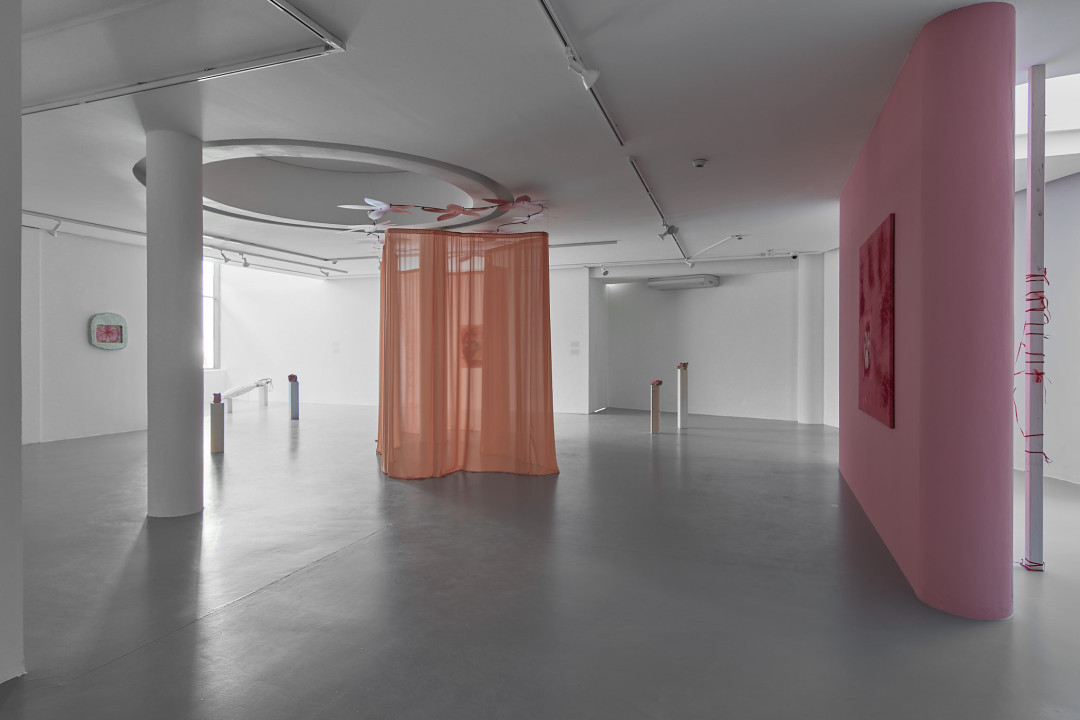
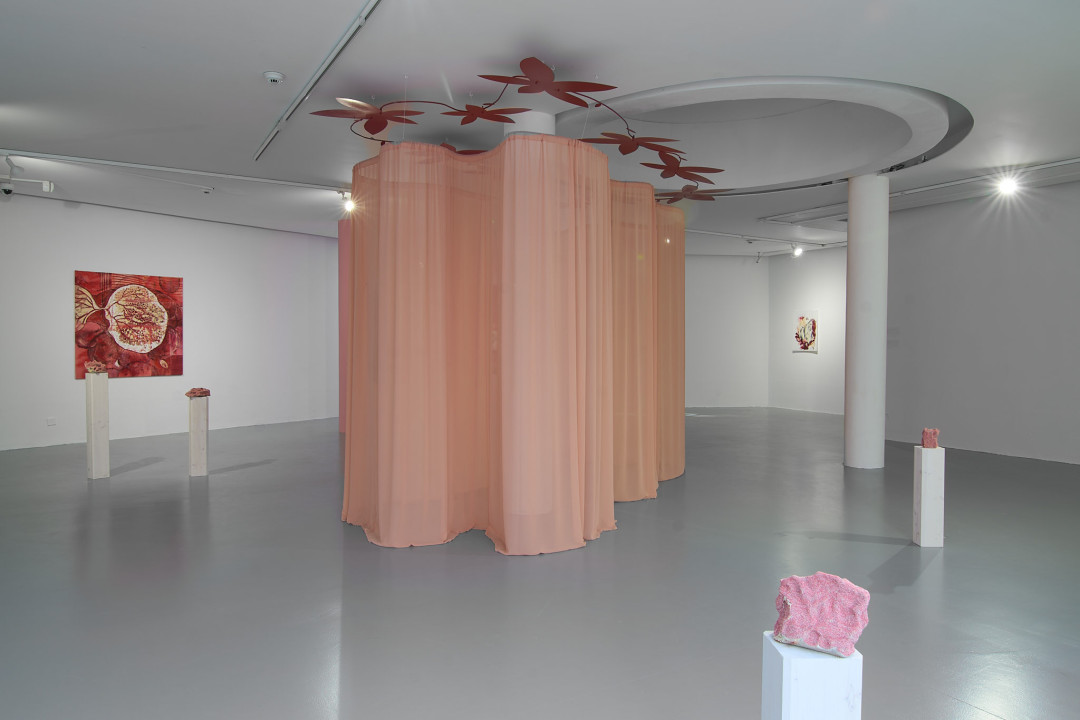
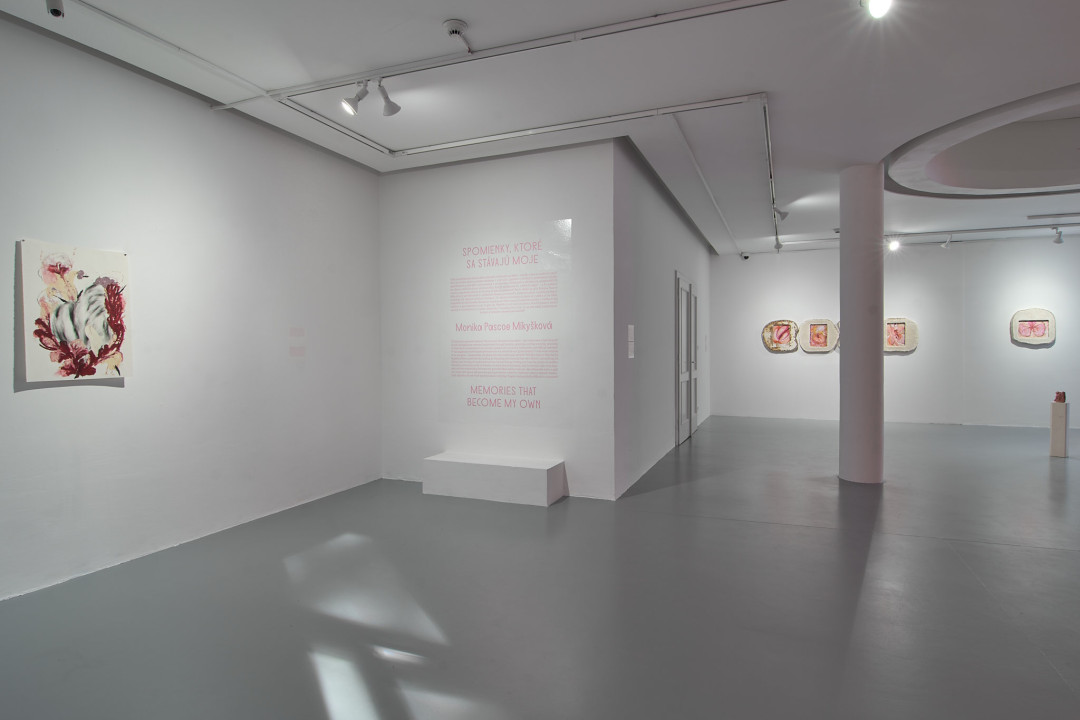
The exhibition itself, as an applied part of the artist’s long-term exploration, creates a space where personal and shared narratives meet, where small and grand histories, individual recollection and institutionalised memory come together. Yet it is not merely the story of Monika Pascoe Mikyšková. It reveals that memory is, above all, a process—and that this process can be shared with one another without requiring us to share the same origins or experiences. The movement along the delicate boundary between self and others, between us and them, between the personal and the shared, is identified as the force that allows memory to become alive and meaningful again, both within small histories and within the larger narratives of history.
Exhibition graphic design: Palo Bálik
Exhibition architect: Peter Liška
Main partner: