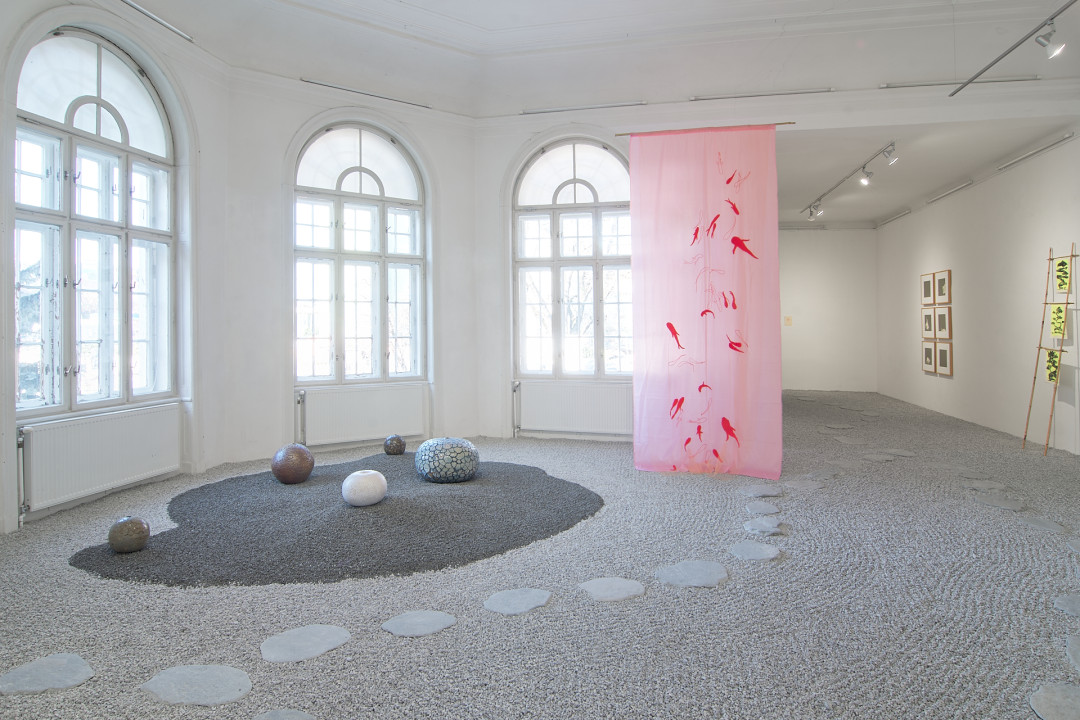
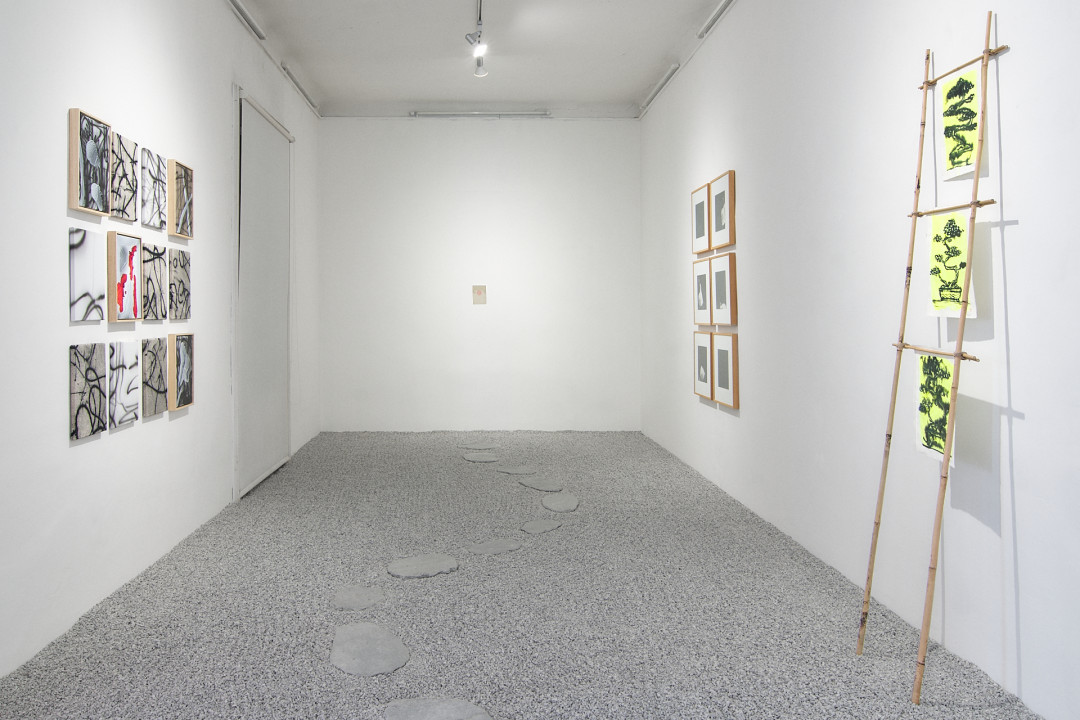
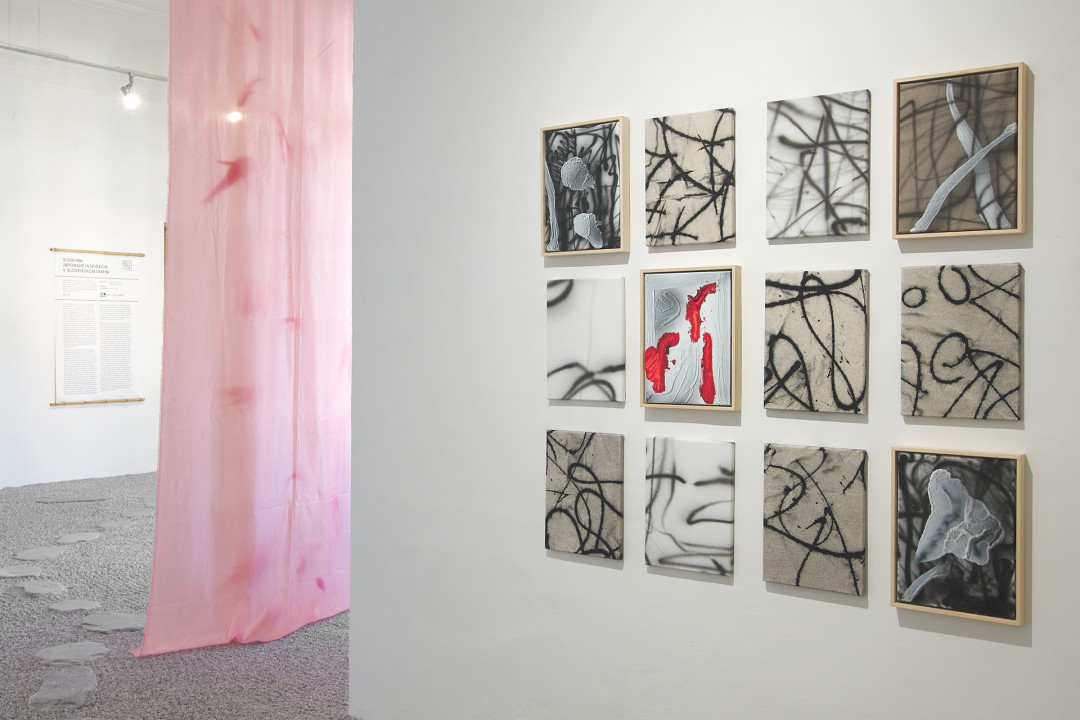
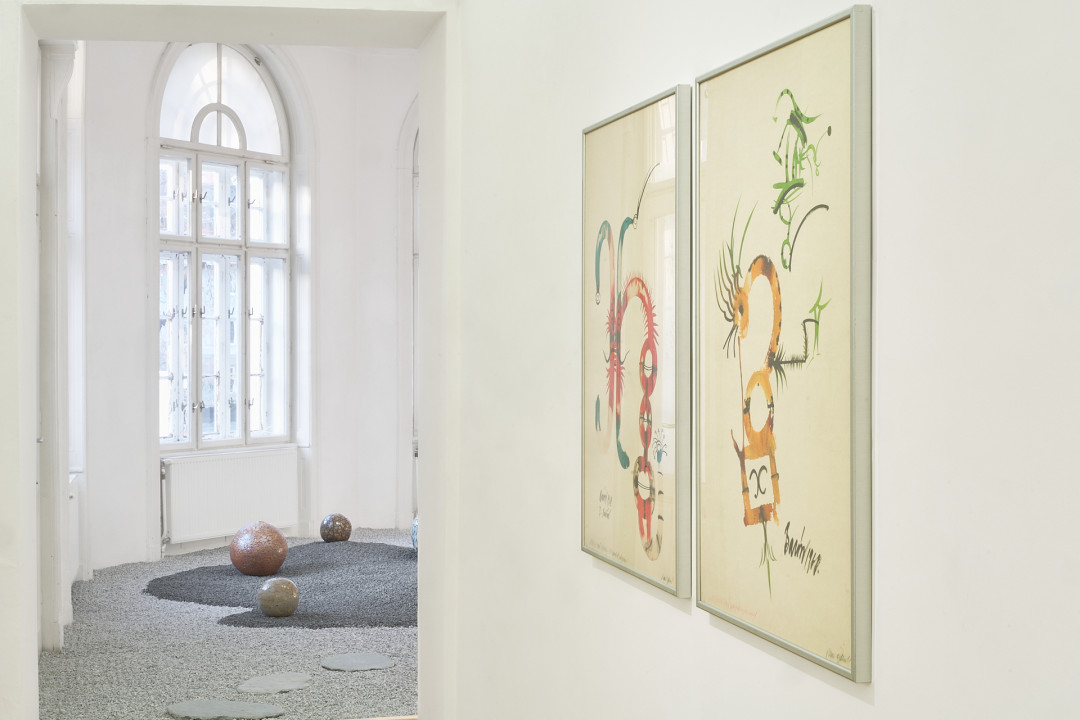
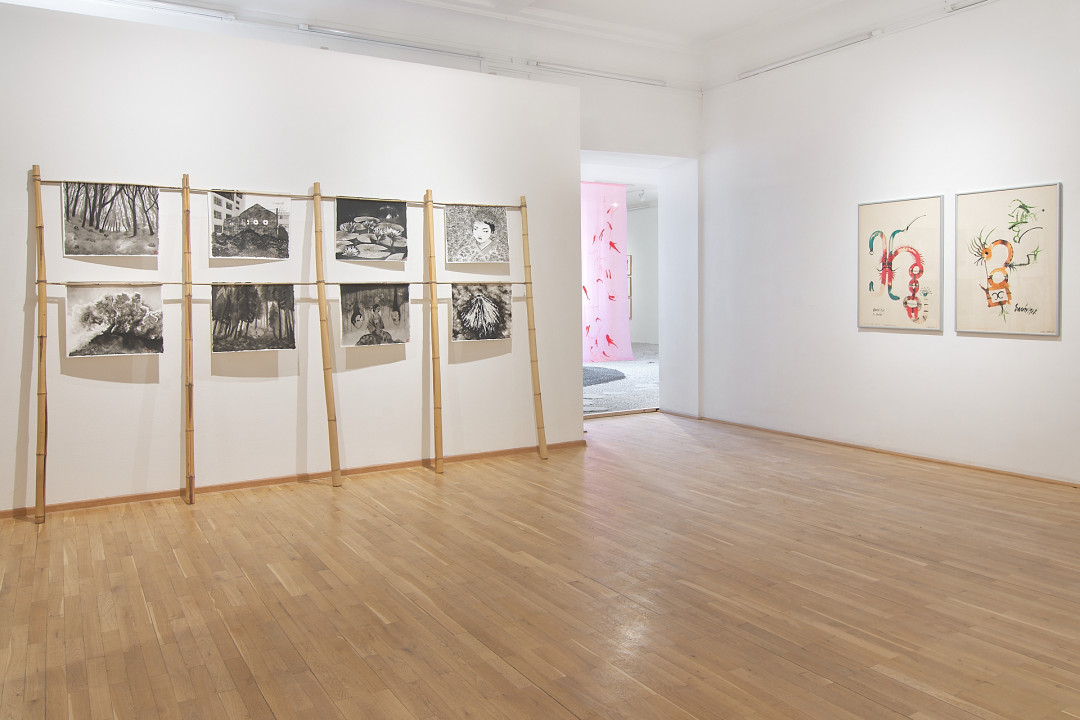
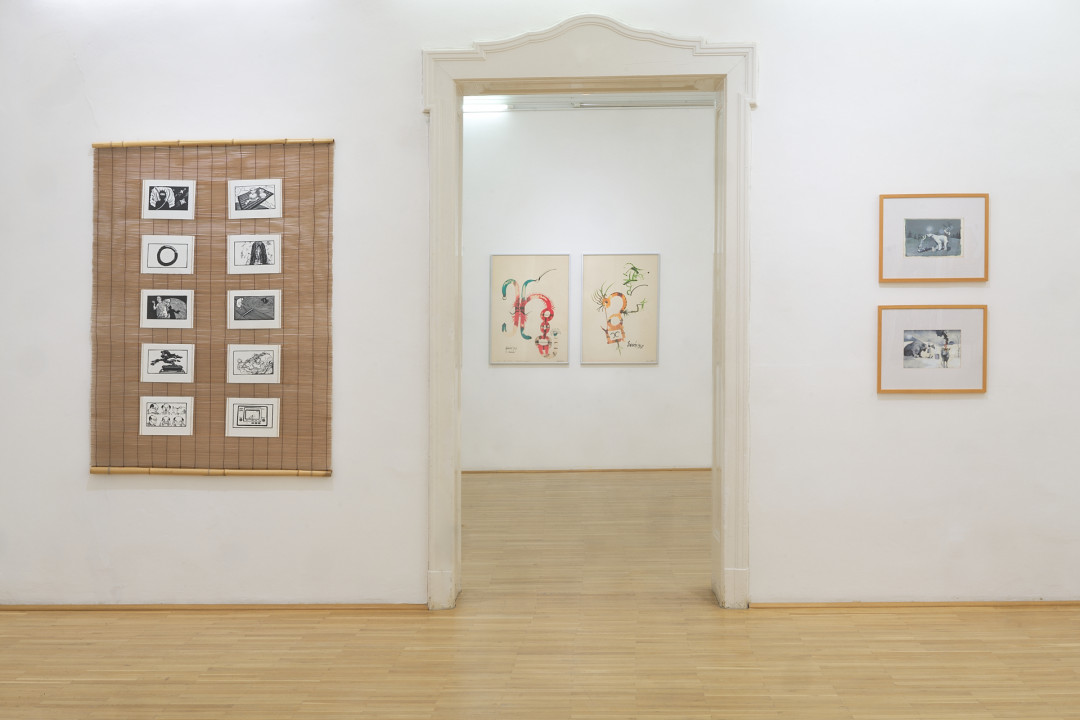
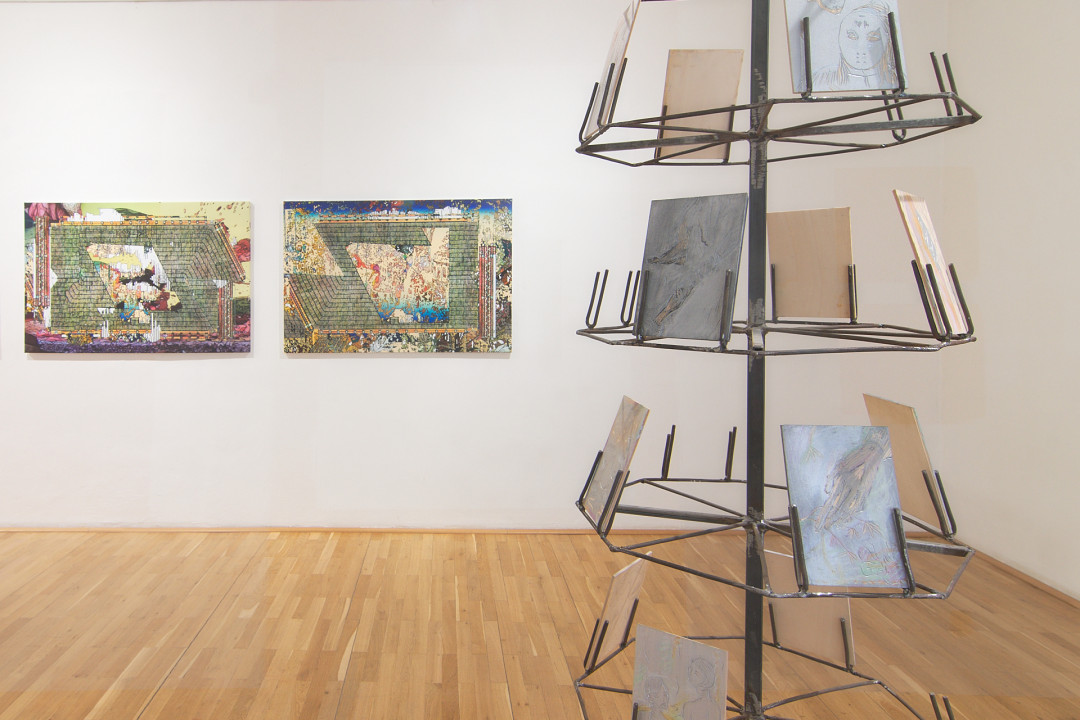
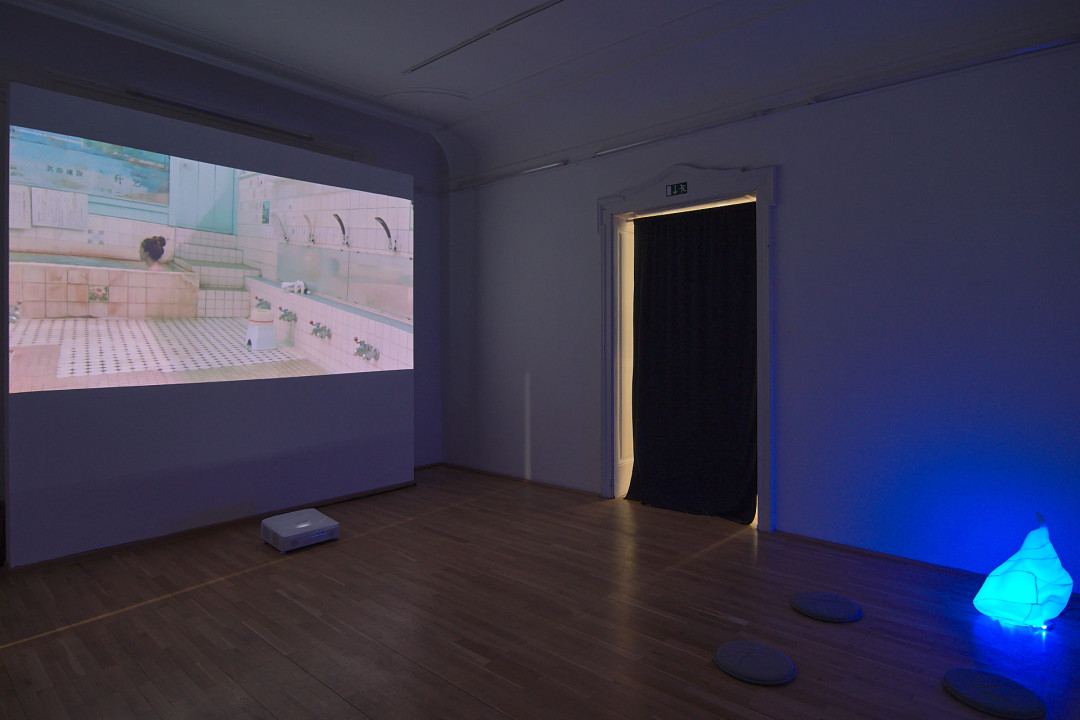
9,000 Kilometers expresses the approximate geographical distance between Bratislava and Tokyo. More importantly, it symbolizes the division between two worlds with different approaches to thinking and life itself. The exhibition titled 9,000 km: Japanese Inspirations in Slovak Art, prepared for the representative halls of the Koppel Villa, tells the story of a non-violent expansion, or rather the adoption of cultural models originating from the Land of the Rising Sun that have found their place in Slovak visual art.
The exhibition features sixteen artists active from the second half of the 20th century to the present day, who consciously or unconsciously respond to artistic prototypes or philosophical systems rooted in Japanese culture. The inspiration and thematic grounding of the works are found in Zen Buddhist philosophy and a simple desire for simplicity and slowing down.
The second part presents works strongly influenced by Japanese hyper-consumer society, pop culture, and mythology, which are appropriated and transformed within the context of Central European thinking.
At the same time, the curator duo raises questions related to the confrontation of two cultures, where works by Slovak artists and those of Japanese origin appear side by side, embodying a tension between fulfilling and emptying original meanings. It is widely known that mythology remains alive in Japanese society, but how does this myth survive beyond its borders? Is the image of Japan that we construct in our environment uprooted from its essence, or is the ability of Japanese culture to permeate other cultural areas an example of its universality? Is it not also a colonialist attitude on our part that needs re-examination within contemporary postcolonial studies?
These questions, arising from the issue of the expansion of Japanese culture, somewhat resemble kōans — riddles without clear answers.